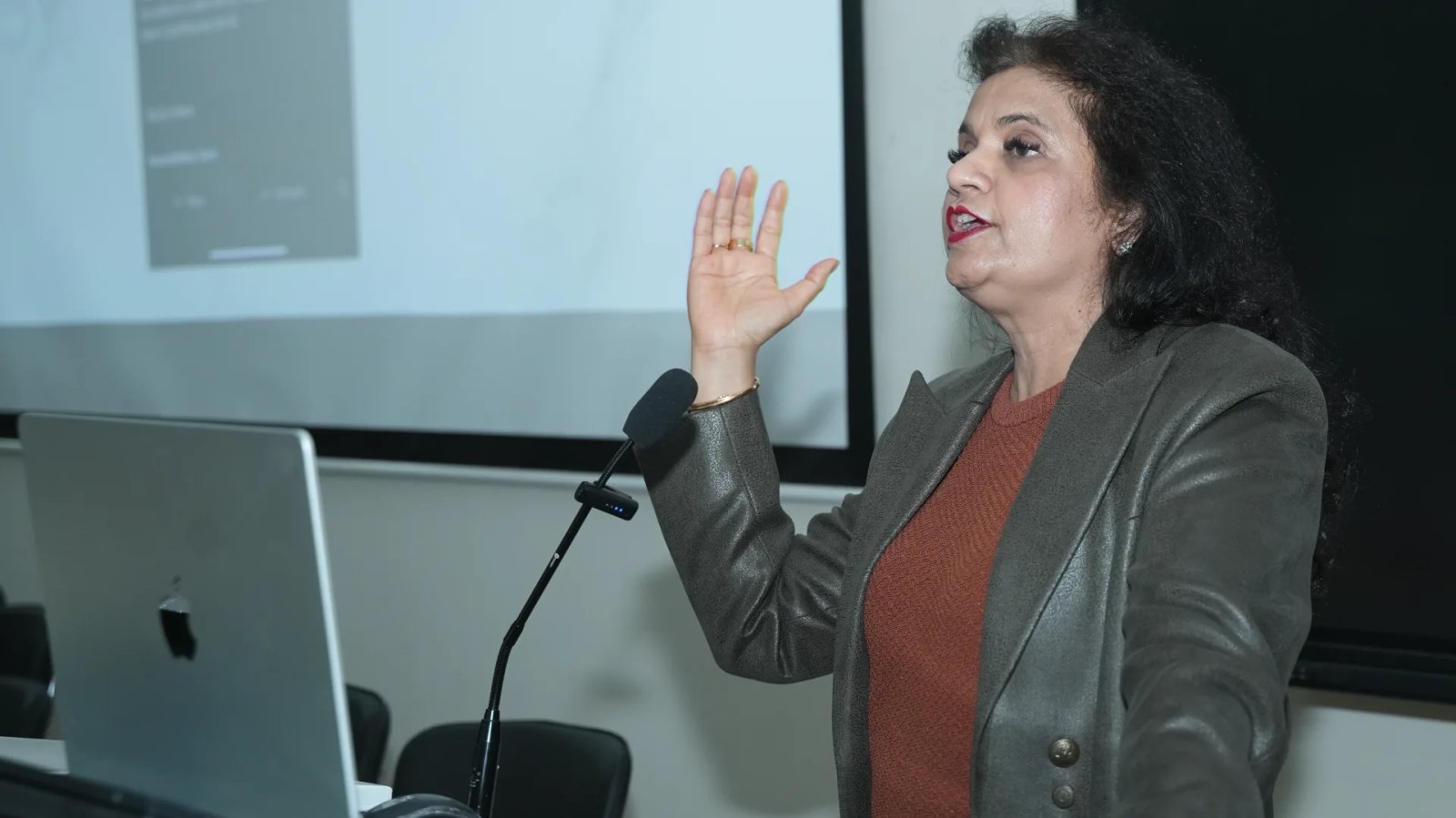
Udaipur, The three-day national conference ‘Embryology ISAR 2026’ (Pearly Progress in Embryology – Advances, Research and Learning) began today at Hotel Marriott under the aegis of the Indian Society for Assisted Reproduction (ISAR).
ISAR National President Dr. Sunita Tandulwadkar, who is chairing the conference, said that nine pre-conference workshops were organized on the first day from 9 a.m. The sessions covered embryo culture systems, a masterclass on ovarian stimulation to embryo transfer, male infertility, pre-IVF work-up, genetics in ART, and legal complexities related to the new ART and surrogacy laws.
The workshops featured hands-on training in advanced vitrification, micromanipulation-based ICSI and embryo biopsy. Participants received live training on the latest laser technologies, tubing, microdissection and simulators.
Dr. Keshav Malhotra, Chairperson of the ISAR Embryology Committee, said that technological advancements in the field of embryology have progressed rapidly. Therefore, continuous training and staying updated are essential to maintain high-quality laboratory practices.
ISAR Secretary Dr. Ashish Kale said the conference reflects ISAR’s continued commitment to promoting education, skill development and high-quality training for clinicians and embryologists.
Organizing Secretary Dr. Manisha Vajpayee said the conference aims to facilitate scientific dialogue among experts on advancements in embryology, modern technologies, new research and evolving treatment approaches in assisted reproduction.
More than 400 experts from across the country, including leading embryologists, fertility specialists and doctors, along with national and international experts, are participating in the three-day scientific conference, which will continue until September 20.
Dr. Manisha said that amid continuous changes in the field of assisted reproductive technology, ongoing scientific education is essential for doctors and embryologists. Through Pearly Progress in Embryology – Advances, Research and Learning 2026, efforts are being made to bring science, laboratory expertise and clinical experience onto a common platform, enabling experts to share experiences, improve techniques and further strengthen standards of ART practice in the country.