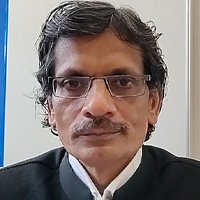
Water is far more than a physical resource—it is the essence of life, culture, and ecological balance. Emphasizing this profound perspective, water expert and Principal of Vidya Bhawan Polytechnic, Dr. Anil Mehta, called for a revival of India’s traditional water wisdom to address the growing global water crisis. Speaking at a national webinar organized on the occasion of World Water Day, Dr. Mehta highlighted that modern solutions like riverfront or lakefront beautification alone cannot ensure water purity. Instead, he stressed the need to revive India’s age-old “ghat culture,” which integrates community participation, spirituality, and ecological responsibility. Water and Gender: A Global Concern Observed annually since 1993 under the aegis of the United Nations, this year’s World Water Day theme, “Water and Gender,” focuses on empowering women in water management. Referring to the World Water Development Report released on March 19, 2026, Dr. Mehta pointed out alarming statistics: Over 1 billion women still lack access to safe drinking water Around 1.8 billion people do not have water available within their homes Women globally spend nearly 250 million hours daily collecting water Only 20% participation of women in global water management He noted that in India, this participation is even lower, despite traditional systems once ensuring equal roles for men and women. From Community-Centric to Government-Centric Water Management Dr. Mehta observed that India’s traditional water systems were deeply community-driven, but over time, Western influence shifted water management to a government-centric model, weakening public participation. He emphasized that restoring traditional systems—such as stepwells, ponds, and wells—along with cultural practices, is essential for sustainable water conservation. A Looming Global Water Crisis Warning of a potential “global water bankruptcy,” Dr. Mehta highlighted key concerns: Nearly 2.1 billion people lack safe drinking water About 3.4 billion people lack safe sanitation 35% of wetlands have disappeared since 1970 Water pollution from chemicals, pharmaceuticals, and industrial waste is rapidly increasing Wetlands, though covering only 6% of Earth’s surface, support 40% of global biodiversity, making their loss particularly alarming. Beyond Infrastructure: The Role of Culture and Consciousness Dr. Mehta stressed that water purification cannot be achieved solely through infrastructure projects. “Ghats are not just religious spaces—they are centers of ecological awareness, social interaction, and collective responsibility.” He explained that traditional practices at ghats encouraged cleanliness, reverence, and sustainable use of water, thereby naturally ensuring conservation. Science Meets Spirituality Highlighting India’s philosophical depth, Dr. Mehta connected ancient wisdom with modern science: The concept of “Panchamahabhuta” aligns with ecological balance “Yat Pinde Tat Brahmande” reflects systems thinking Ancient methods of groundwater detection by Varahamihira align with modern hydrogeology Traditional water structures like baoris, wells, and ponds exemplify sustainable design He emphasized that true solutions lie in combining science with spirituality, along with behavioral change and community participation. Call for Collective Action Chief Guest Gopal Arya, National Coordinator of Environment Conservation Activities, urged citizens to adopt eco-sensitive lifestyles and revive traditional water sources. Experts including Dr. Veena Khanduri (India Water Partnership) reiterated that inclusive participation is the only path forward to tackle the water crisis. Conclusion Dr. Mehta concluded with a powerful message: “Without understanding the relationship between humans, nature, and water, no policy can succeed. Water conservation requires not just technology, but values, participation, and consciousness.”
###Water is Not Just a Resource, But the Foundation of Life and Culture: Dr. Anil Mehta
Reviving India’s Traditional “Ghat Culture” Key to Solving Water Crisis
मुख्य बिंदु
- Water is far more than a physical resource—it is the essence of life, culture, and ecological balance.
- Emphasizing this profound perspective, water expert and Principal of Vidya Bhawan Polytechnic, Dr.
- Anil Mehta, called for a revival of India’s traditional water wisdom to address the growing global water crisis.
- Speaking at a national webinar organized on the occasion of World Water Day, Dr.
- Mehta highlighted that modern solutions like riverfront or lakefront beautification alone cannot ensure water purity.
- Instead, he stressed the need to revive India’s age-old “ghat culture,” which integrates community participation, spirituality, and ecological responsibility.