

Adornment, beauty, and the expression of love have been integral to every era, evolving into modern fashion. These elements have remained a significant part of our culture since ancient times. Adornments, including clothing transformations, are universally practiced. Both men and women have embraced adornment to enhance their appearance.
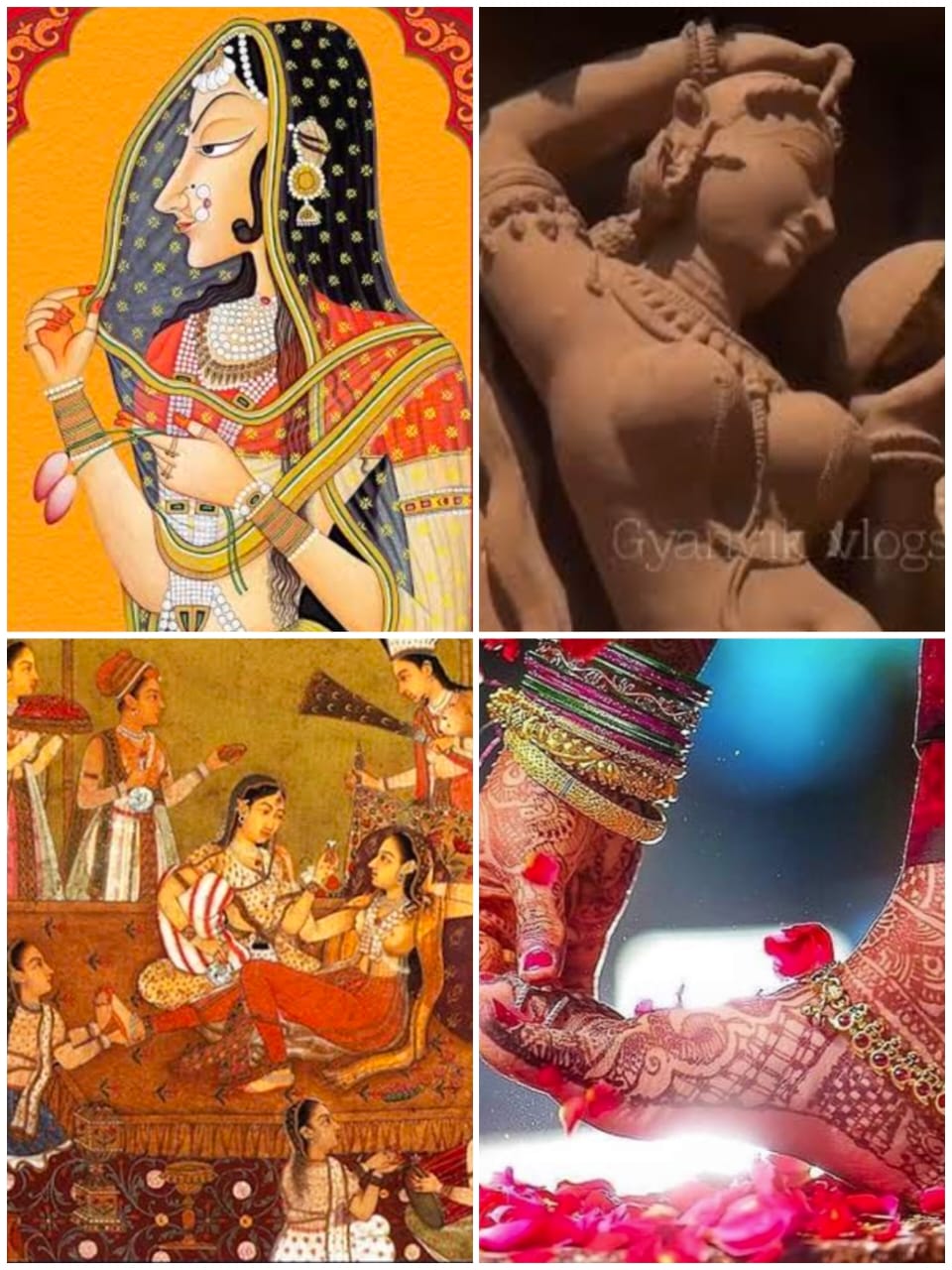
In contemporary times, these practices are continuously changing, yet even tribes living in remote jungles maintain their traditional and original styles of adornment. Their unique customs often leave us amazed. The beauty and emotions arising from adornment foster love, harmony, and social unity, contributing immensely to mutual respect and brotherhood.
In Indian aesthetics, women have been central to beauty's conceptualization, inspiring various definitions of grace, radiance, and allure. Adorning oneself is a daily expression of pride for women. Festivals and events further amplify this practice, with beauty parlors playing a key role in preparation. Traditional adornments such as bindi, lipstick, mehendi, and jewelry elevate their beauty.
Ancient traditions of adornment, including the "sixteen adornments" (Solah Shringar), highlight the timeless significance of beautification. Literary works and temple sculptures bear testimony to the elaborate and celebrated styles of the past. Writers and poets have historically explored themes of beauty and love in their creations.
Adornment practices, such as perfumed baths, fragrant oils, and herbal cosmetics, reflect a rich cultural heritage. Whether through the artistic application of mehendi or the use of jewelry made from gold, silver, or gemstones, these customs continue to represent the beauty of Indian traditions, blending antiquity with modernity.
Through its evolving forms, adornment not only enhances physical beauty but also unites society in shared expressions of love and culture.